InPower / MechaLearn Investor & grant conversation · September 2026

A learning environment you can touch

Build it. Code it. See it work.

MechaLearn turns electronics and robotics lessons into an immersive, observable learning loop — from a virtual circuit to a working device response.

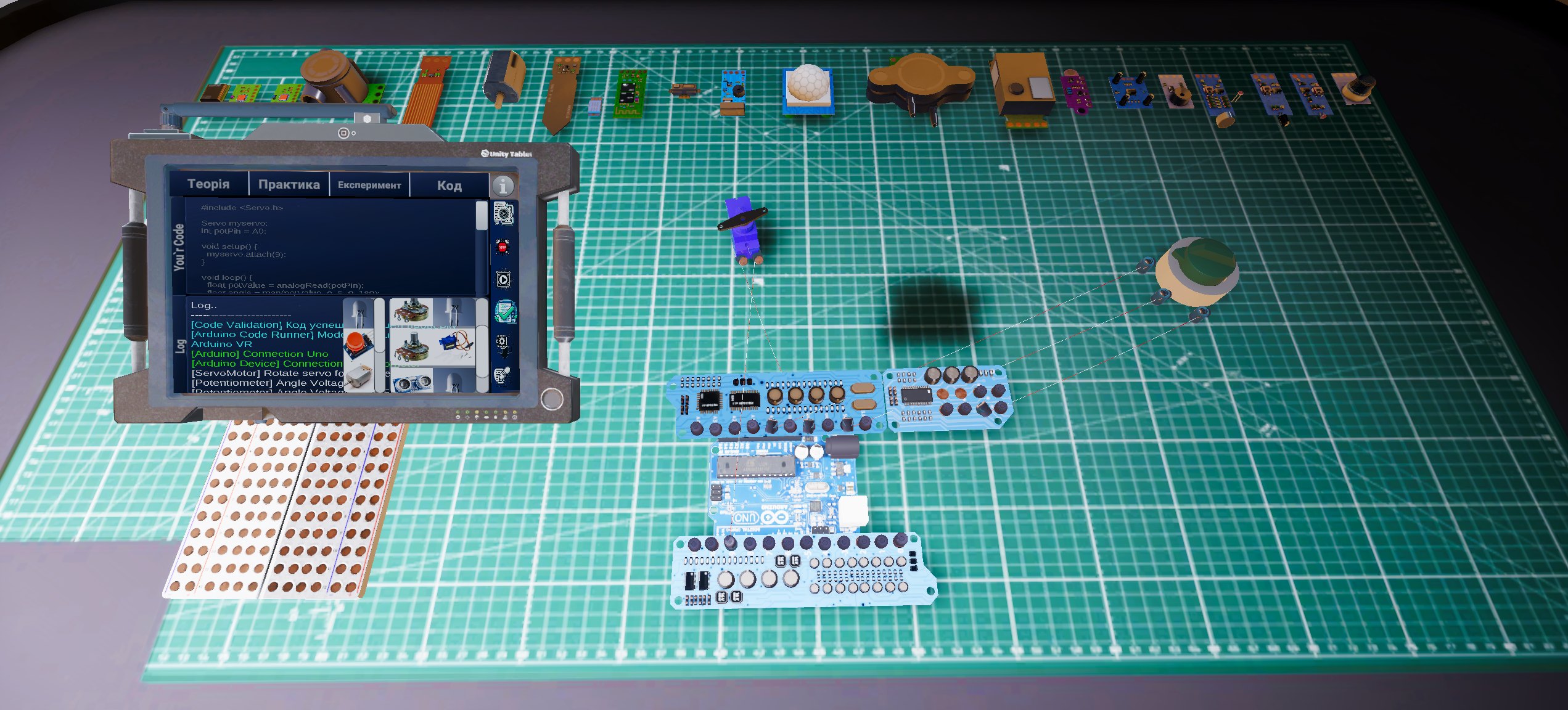
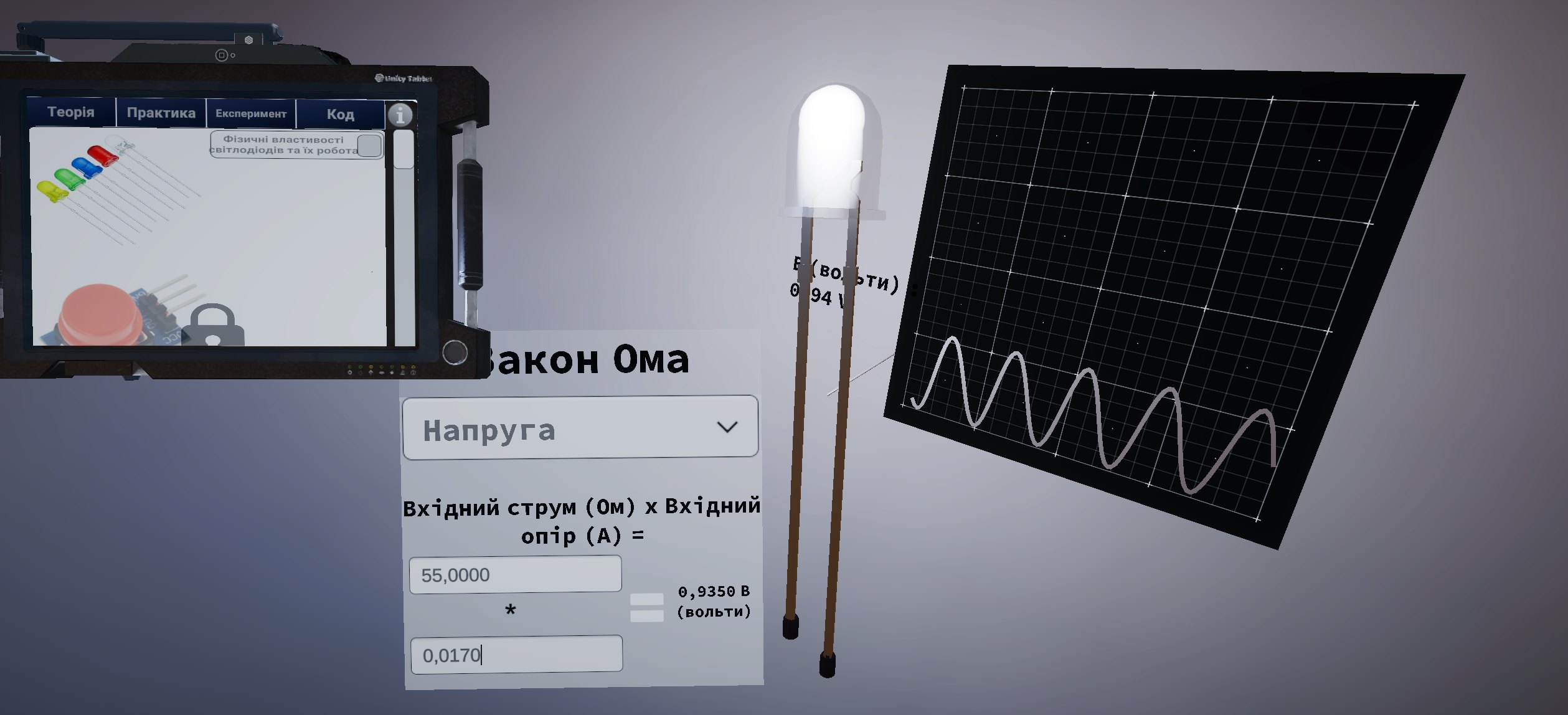
Archive Unity capture from the MechaLearn project. Current raw captures are on the next slide.

Current build · 26 September 2026

Unretouched frames from Unity.

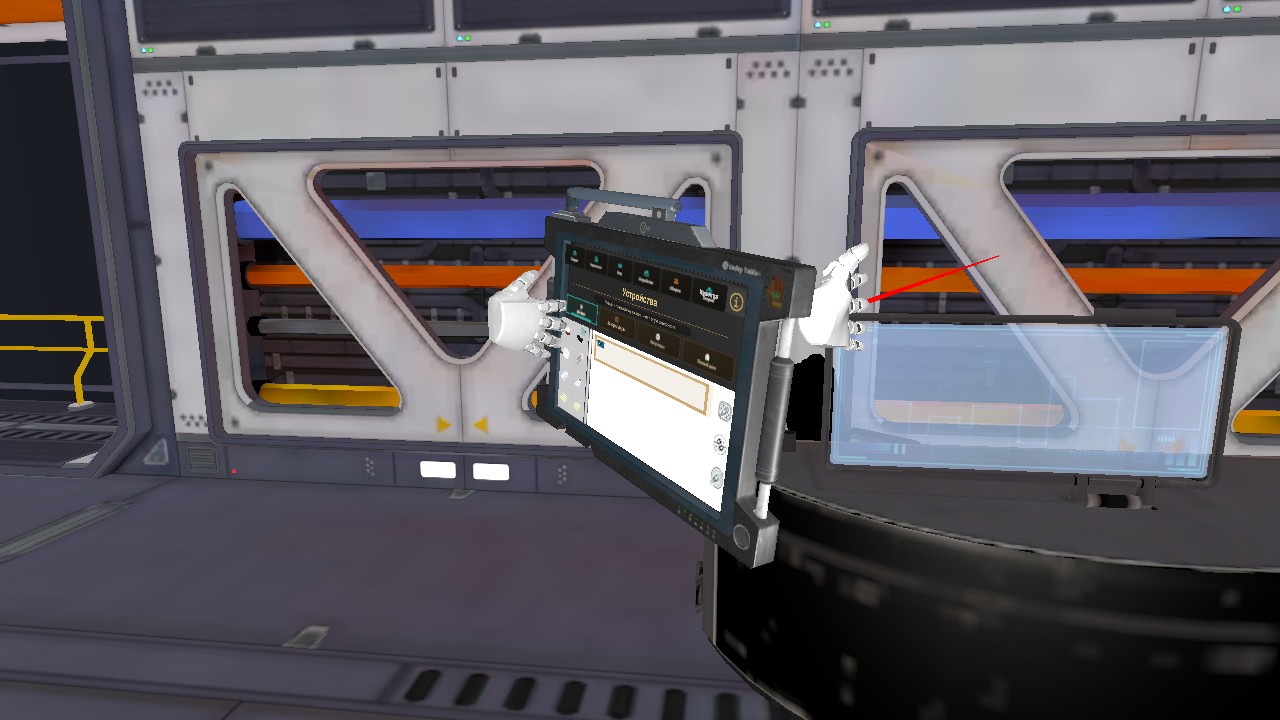
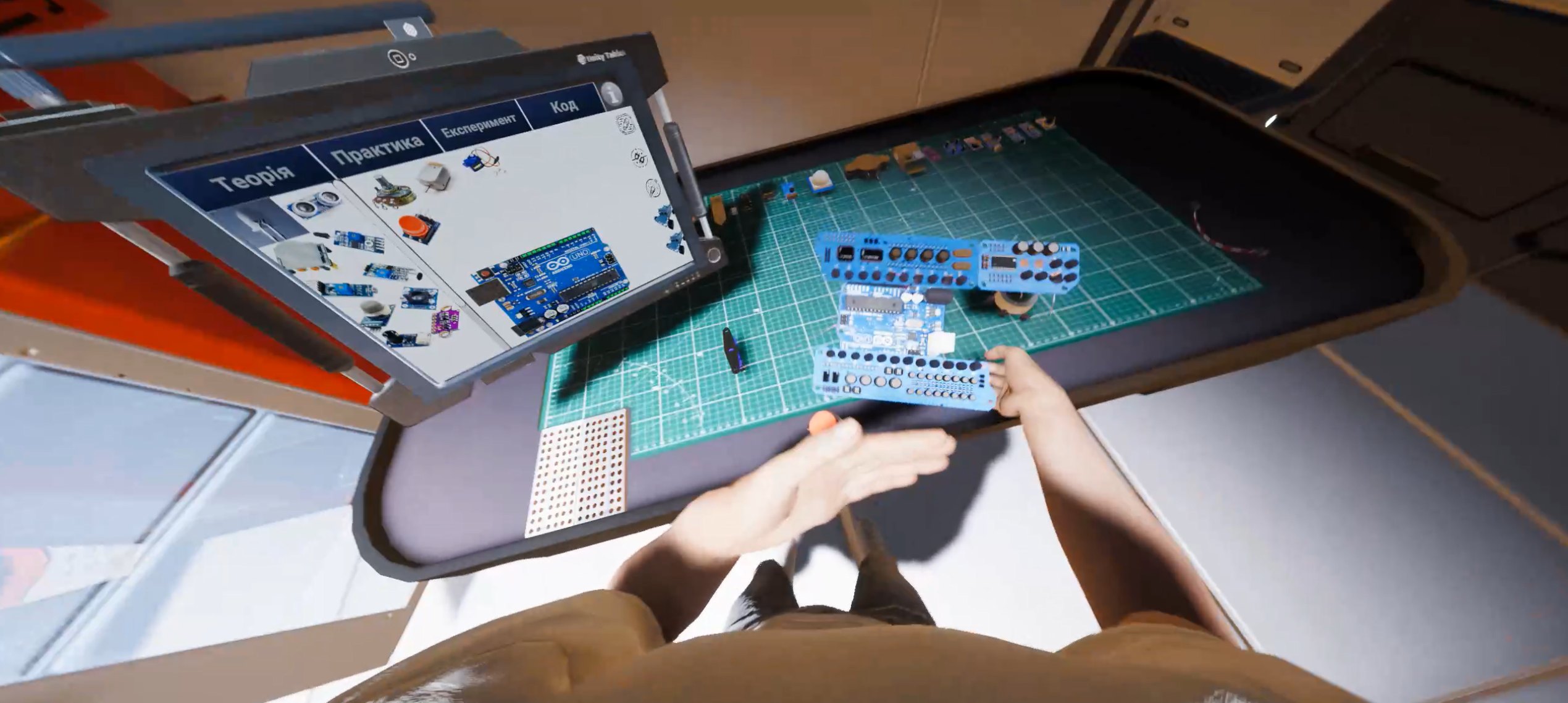
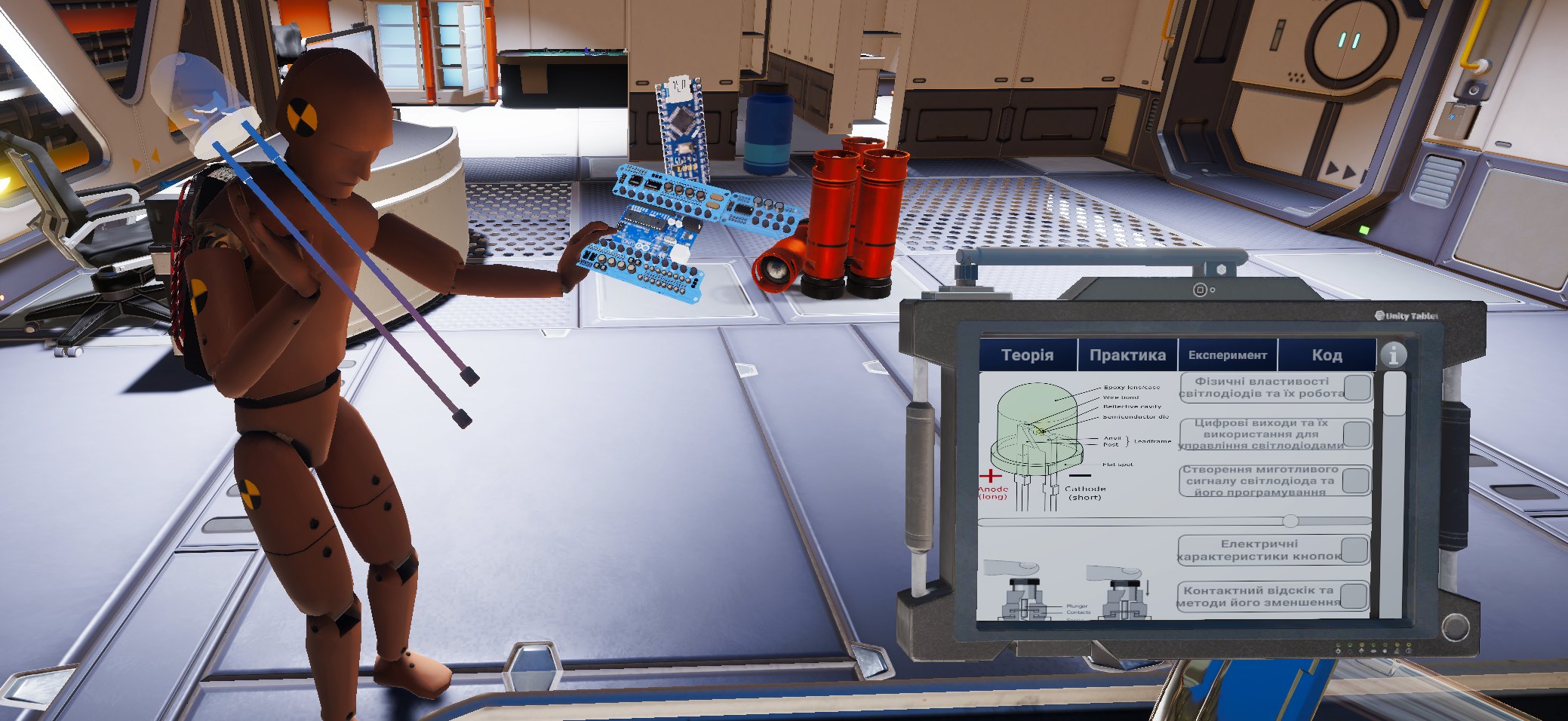
These frames come directly from the MechaLearn Editor playtest of the VR lab and tablet. The dark workbench is visible here and remains an open visual issue.
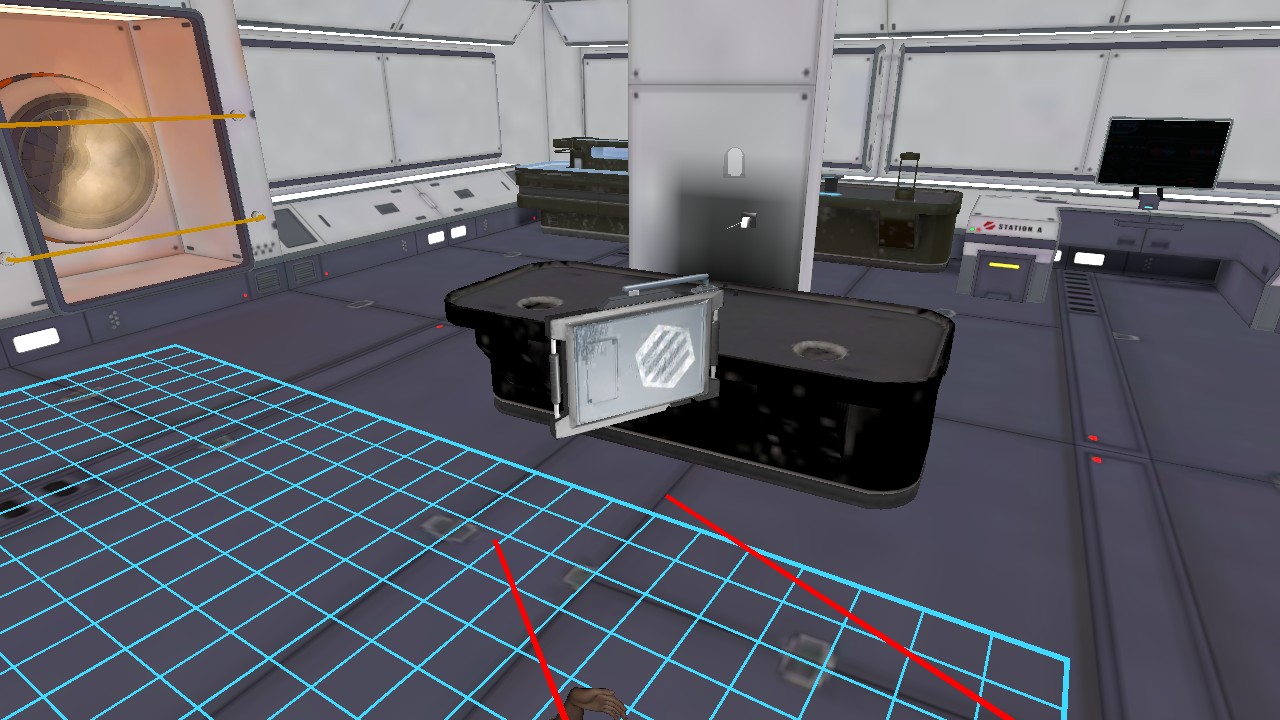
Raw Unity Editor frame showing the VR lab and dark workbench
Lab overview · source frame f0000 · 26 Sep 2026 · open original ↗
Raw Unity Editor frame showing the MechaLearn tablet and VR hands
Tablet interaction · source frame f0120 · 26 Sep 2026 · open original ↗

Source: Docs/AutoTest/frames_tablet_palm_grip; Editor simulation, 187 recorded frames. This is not a Quest screenshot or proof of a classroom pilot.

The opportunity

Make cause and effect visible.

Electronics education often separates theory, code and physical assembly. MechaLearn brings these steps into one space where learners can change an input and watch what happens to a connected device.

01 / DISCOVER

Explore components

Inspect a sensor, actuator or controller in a spatial lab.

02 / CONSTRUCT

Wire a circuit

Connect pins and devices, then see whether the circuit is meaningful.

03 / EXPERIMENT

Run code and observe

Change a stimulus or sketch and observe the simulated output.

Interactive product tour

One continuous learning loop.

Archive Unity captures from this project; capture dates are unverified. See the preceding slide for current raw frames.
VR tablet and Arduino board in the virtual labLearner handling components in VRArduino sketch and connected devicesLesson panel and simulated LED response
Archive captures from the Unity project; exact dates unverified.

What exists today

A prototype with testable systems.

Implemented

Spatial lab & tablet

Learners browse lessons and components, place boards and devices, and interact with the workbench.

Implemented

Arduino simulation

Sketches, pin connections and device effects are exercised by internal automated scenarios.

Prototype

Learning content & guidance

Theory, practice, experiments, code examples and an AI assistant are present; pedagogical outcomes still require a learner pilot.

Detailed engineering record is available in the protected Docs Hub upon request.

Evidence, with its limits

Measured inside the prototype.

A July 2026 Unity headless scenario exercised device sketches, pin connections and example combinations. These are internal engineering results, not evidence of adoption or learning gains.

Source: Docs/DEVICES_STATUS.md, 27 July 2026 retest. Hardware and current Quest experience require separate validation.

30/35

devices reacted to their own sketches in that run

13/16

example device combinations produced an effect

21/21

tested input devices responded to a stimulus

3/3

phone remote commands reached the sketch

A fundable next step

Turn the prototype into a measured learning pilot.

We propose a scoped partnership with educators and technology partners. The result would be evidence about learning value, accessibility and deployment cost — alongside a more robust product.

01

Design the pilot

Select two or three electronics lessons and define measurable completion, error and retention criteria with educators.

02

Harden & localise

Validate the target headset and desktop path, refine accessibility and classroom setup, and translate learner materials.

03

Measure with learners

Run the lessons with a partner institution; publish the results and use failures to guide the next product version.

Let's build the consortium

The question for today.

Which education or innovation programme best fits a measurable immersive STEM pilot, and who should help us validate it?

Seeking: grant strategy, an education partner and a pilot site.
Arduino prototype connected to devices
InPower · MechaLearn archive capture (date unverified)